What Is BMI? How to Calculate Body Mass Index and Understand What It Really Means
A simple guide to understanding BMI—how it is calculated, what your score means, and why it should be used as a health awareness tool rather than a final judgment about your body.
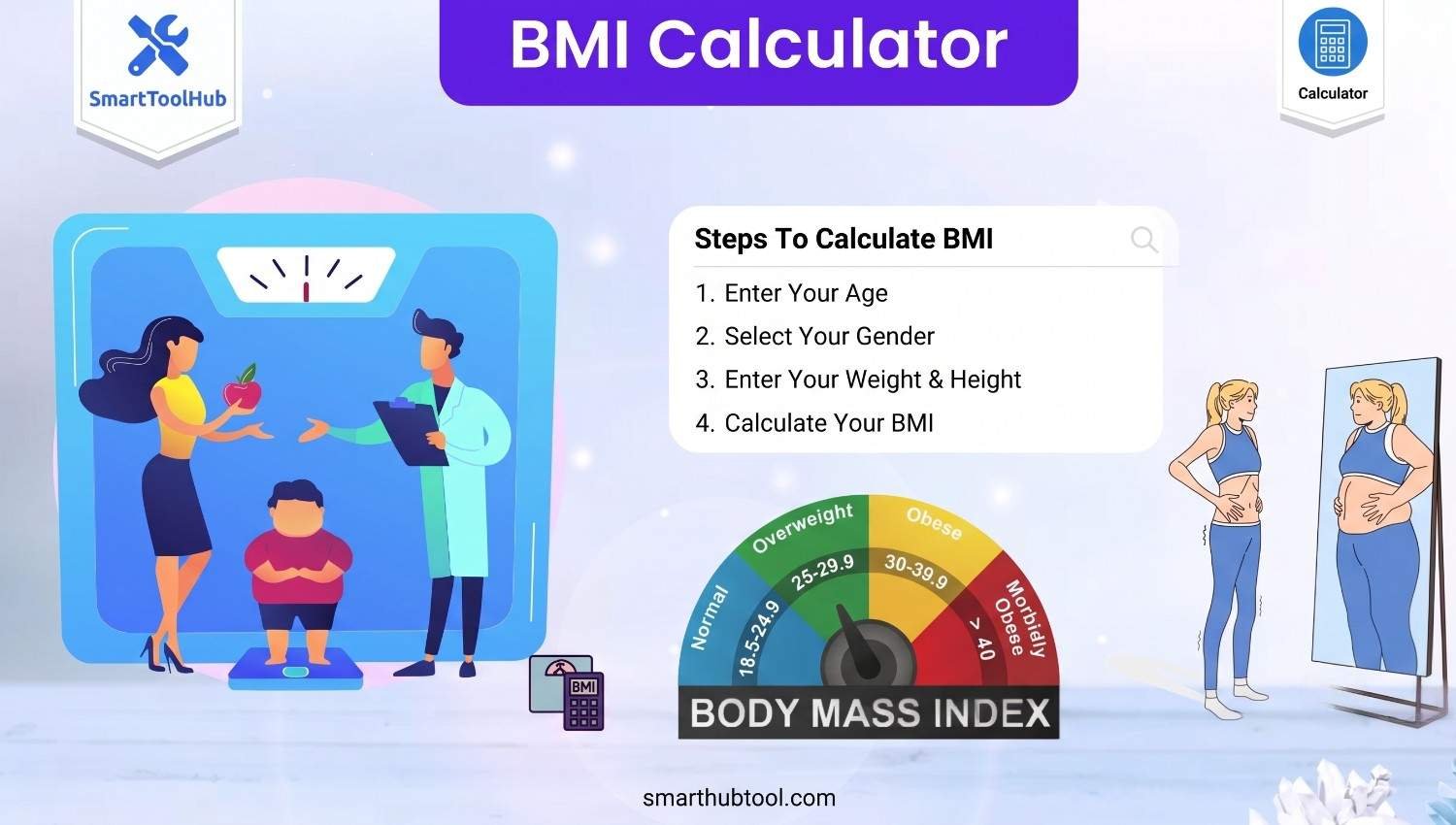
How to Calculate BMI and What It Means
Blog By Dr. Safdar Fareed Rabbani | Creator of Fareed Family Vlog
A few months ago, one of my friends messaged me with a very simple question:

Honestly, I realized that many of us use health tools without fully understanding what they actually tell us.
That's exactly why I'm writing this.
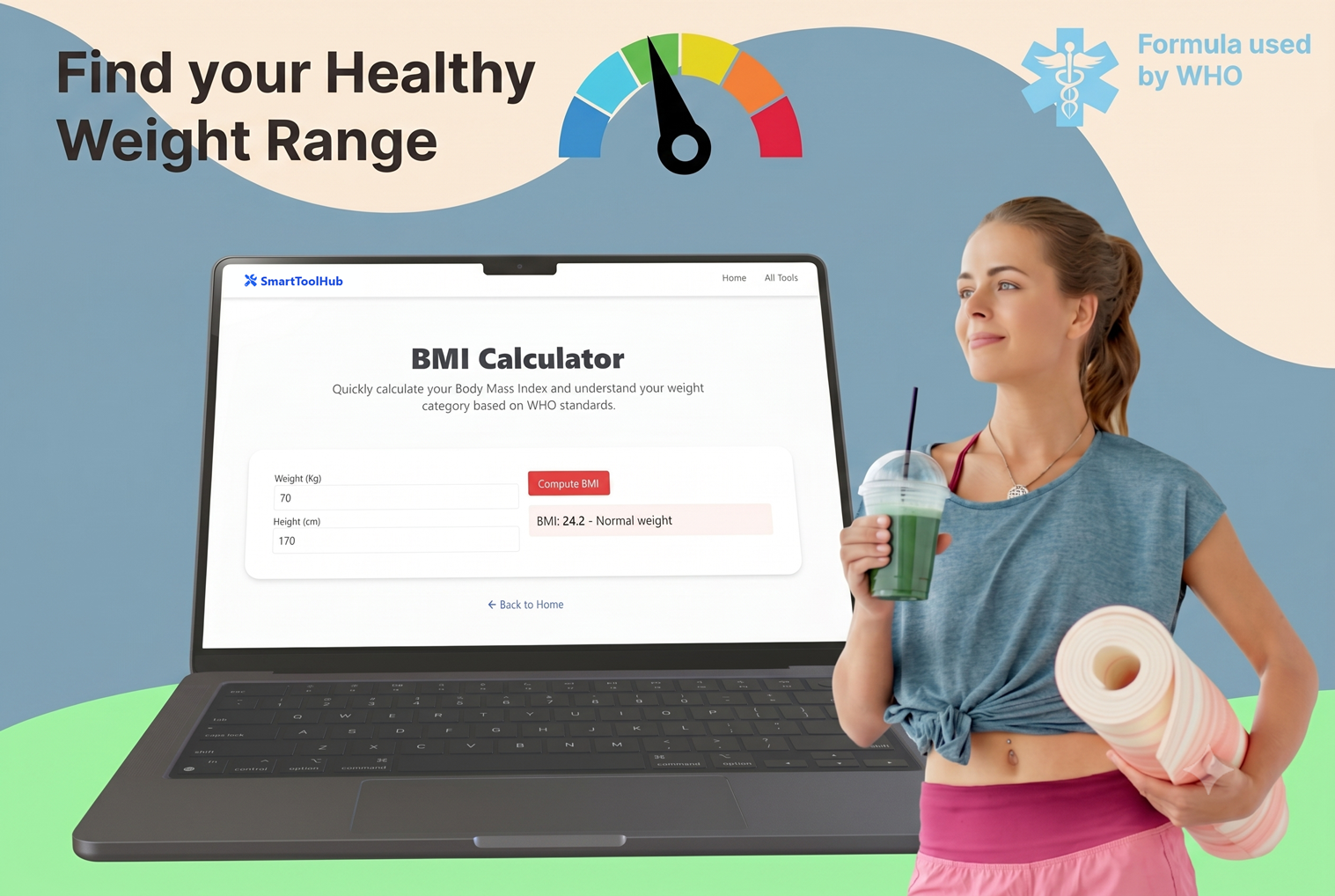
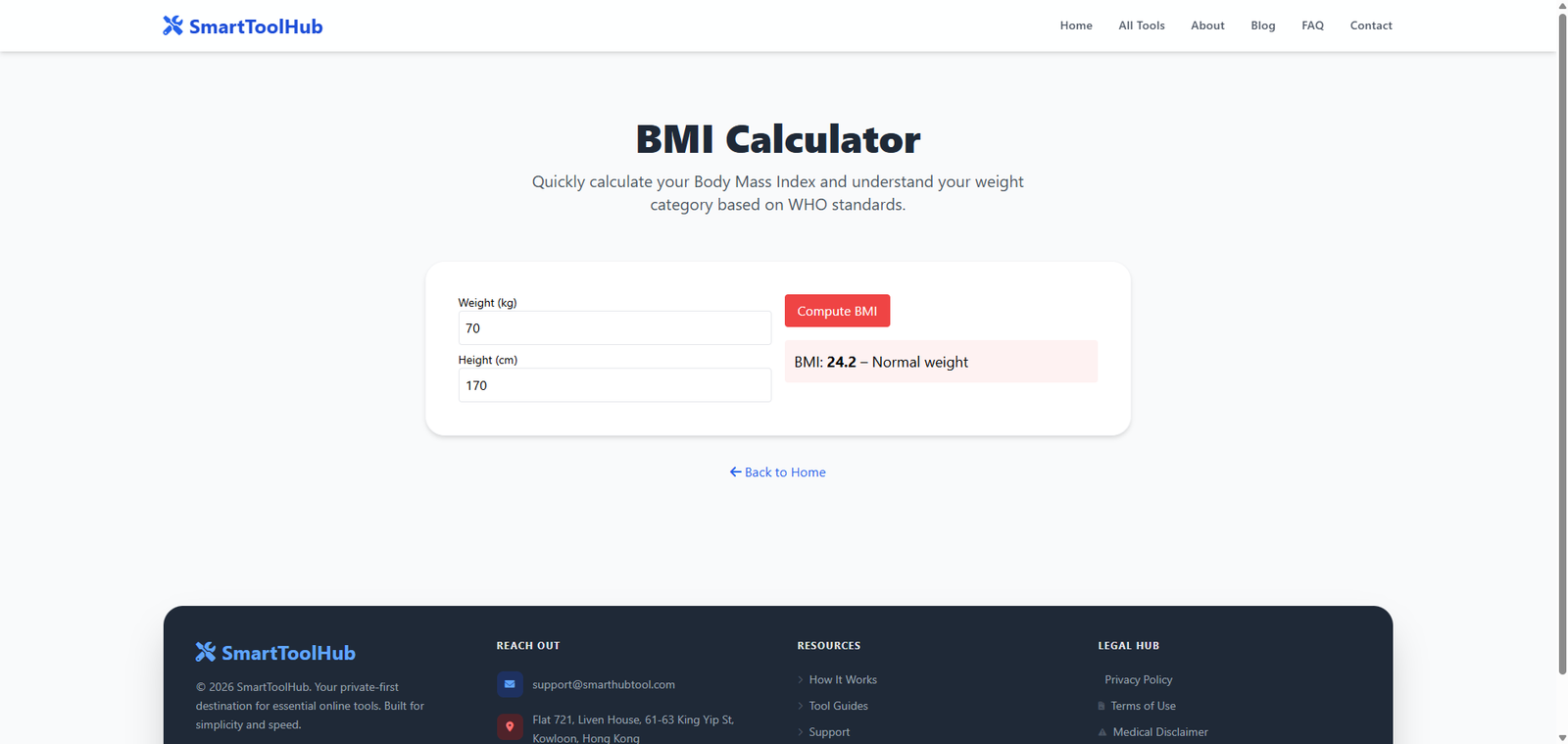
If you're using the BMI Calculator available on this website, I want you to understand what the result means, what it doesn't mean, and how you can use it as a helpful guide rather than a reason to panic.
What Is BMI?
BMI stands for Body Mass Index.
It's a simple calculation that compares your weight with your height to estimate whether your weight falls within a generally healthy range.
Doctors and health organizations use BMI as a screening tool because it's quick,
easy, and requires only two pieces of information
1- Your height
2- Your weight
That's it.
No blood tests.
No expensive equipment.
No complicated procedures.
Why Do People Use a BMI Calculator?
Because sometimes we need a starting point.
Many people don't know whether they are underweight, within a healthy range, overweight, or obese.
A BMI Calculator gives a quick overview.
It helps you become more aware of your health and encourages you to pay attention before small issues become bigger concerns.
This Article Explains What Happens If You Don't Take Care of Your Health?
What Do BMI Results Mean?
Generally, adult BMI categories are:
• Below 18.5 — Underweight
• 18.5 to 24.9 — Healthy Weight
• 25.0 to 29.9 — Overweight
• 30.0 and above — Obesity
These categories are widely used by public health organizations around the world.
But here's something important:
Your BMI score is not a diagnosis.
It is simply an indicator.
BMI Is Helpful, But It Isn't Perfect
This is the part many websites forget to mention.
BMI doesn't know:
1- How much muscle you have
2- Your body fat percentage
3-Your fitness level
4- Your lifestyle habits
5- Your medical history
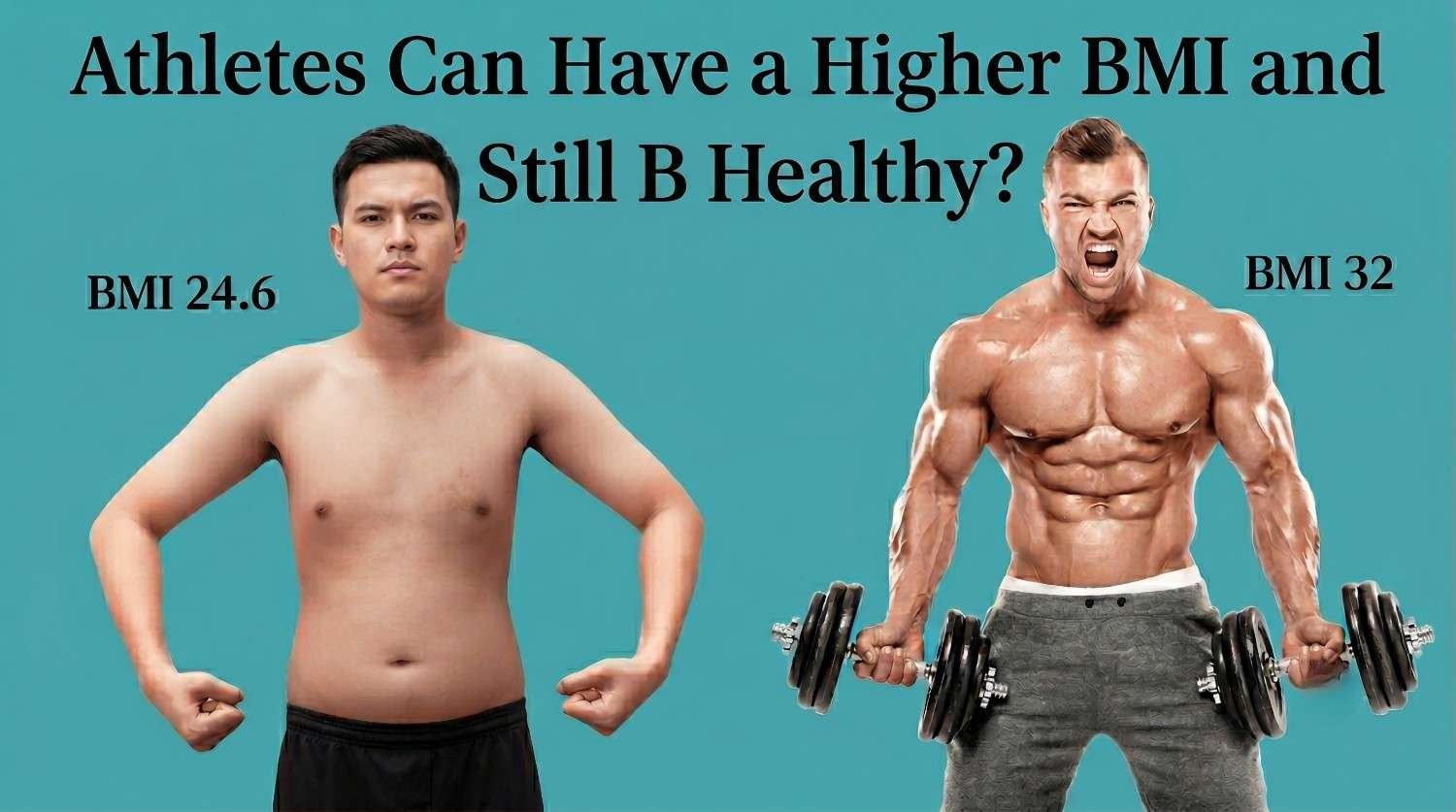
For example, an athlete with a lot of muscle mass might have a higher BMI despite being very healthy.
Similarly,
someone with a normal BMI can still have health issues that require attention.
please don't let one number define your entire health story.
Think of BMI as a conversation starter with yourself.
Not the final verdict.
How Should You Use Your BMI Result?
Use it wisely.
If your BMI falls within the healthy range
Great.
Continue focusing on balanced eating, staying active, sleeping well, and regular health checkups.
If your BMI is higher or lower than expected:
Don't panic.
Intead, ask yourself:
1- Am I eating balanced meals?
2- Do I move my body regularly?
3- Am I sleeping enough?
4- Should I discuss my concerns with a healthcare professional?
Small improvements made consistently often create meaningful changes over time.
Health Is More Than a Number
One thing I've learned is that health isn't about chasing perfection.
It's about creating habits that help you feel stronger, more energetic, and more confident.
1- Drink more water.
2- Walk regularly.
3- Choose nutritious foods more often.
4- Manage stress.
5- Sleep properly.
6- Celebrate progress.
A Message to You
If you're reading this after checking your BMI and feeling worried, remember this:
1- The number you see isn't your identity
2- It's simply information
3- Use it as motivation, not judgment
4- Take one step today
5- Go for a short walk
5- Prepare a healthier meal
6- Book a checkup if needed
Your health journey doesn't have to be dramatic
It just has to begin!
Conclusion
A BMI Calculator is one of the easiest tools available to understand where you currently stand with your weight relative to your height. While it has limitations, it can still be a useful first step toward greater health awareness.
Use the result as guidance, combine it with healthy habits, and seek professional advice whenever necessary.
Progress matters more than perfection.
FAQs
Is BMI accurate?
BMI is useful as a screening tool but does not directly measure body fat or overall health.
What is a healthy BMI range?
For most adults, a BMI between 18.5 and 24.9 is considered healthy.
Can athletes have a high BMI?
Yes. People with higher muscle mass may have elevated BMI scores despite being healthy.
Should I worry if my BMI is high?
Not necessarily. Consider lifestyle factors and consult a healthcare professional for a complete assessment.
Can I rely only on BMI?
No. BMI should be used alongside other health indicators and professional guidance when needed.
Ready to take action?
Explore our 12+ free tools to improve your health, security, and productivity.